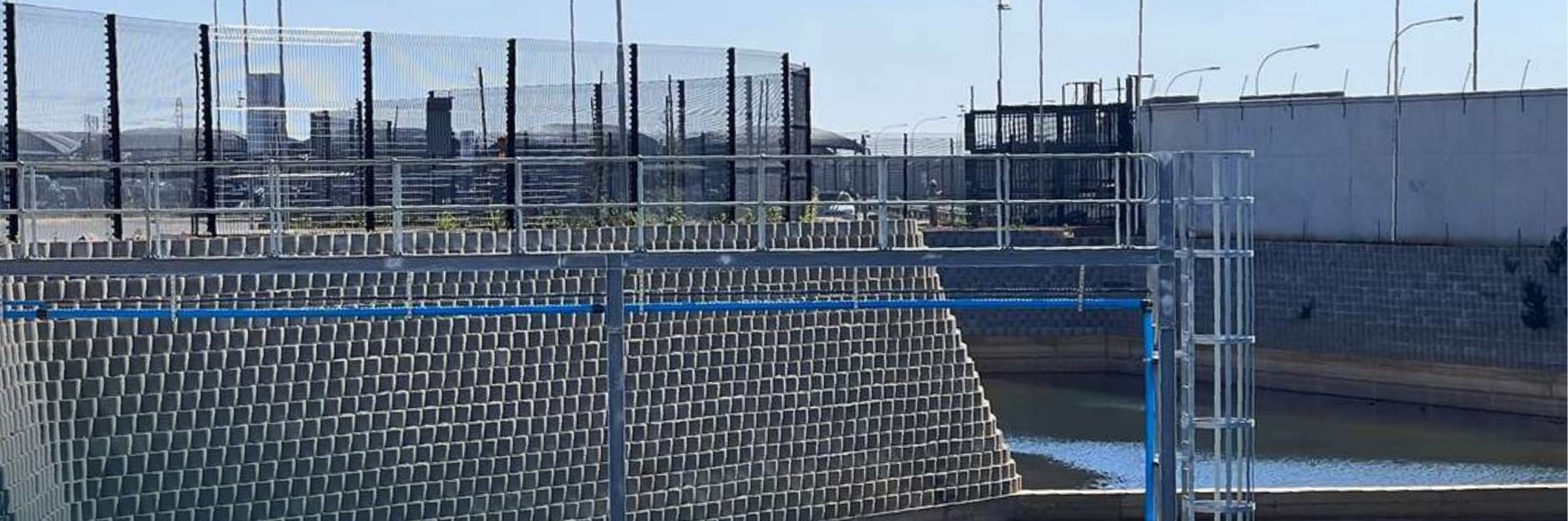
Start with evidence.
Water analysis, flow profiling, peak loads, target quality and site interfaces establish the design basis.
How the audit works →
Sanitation · Effluent · Water
Treatment infrastructure for sites where water security, compliance and operating continuity cannot be left to chance.
Sewage, industrial effluent and raw-source water transformed into compliant discharge, productive reuse and dependable supply—engineered, manufactured and supported in Africa.
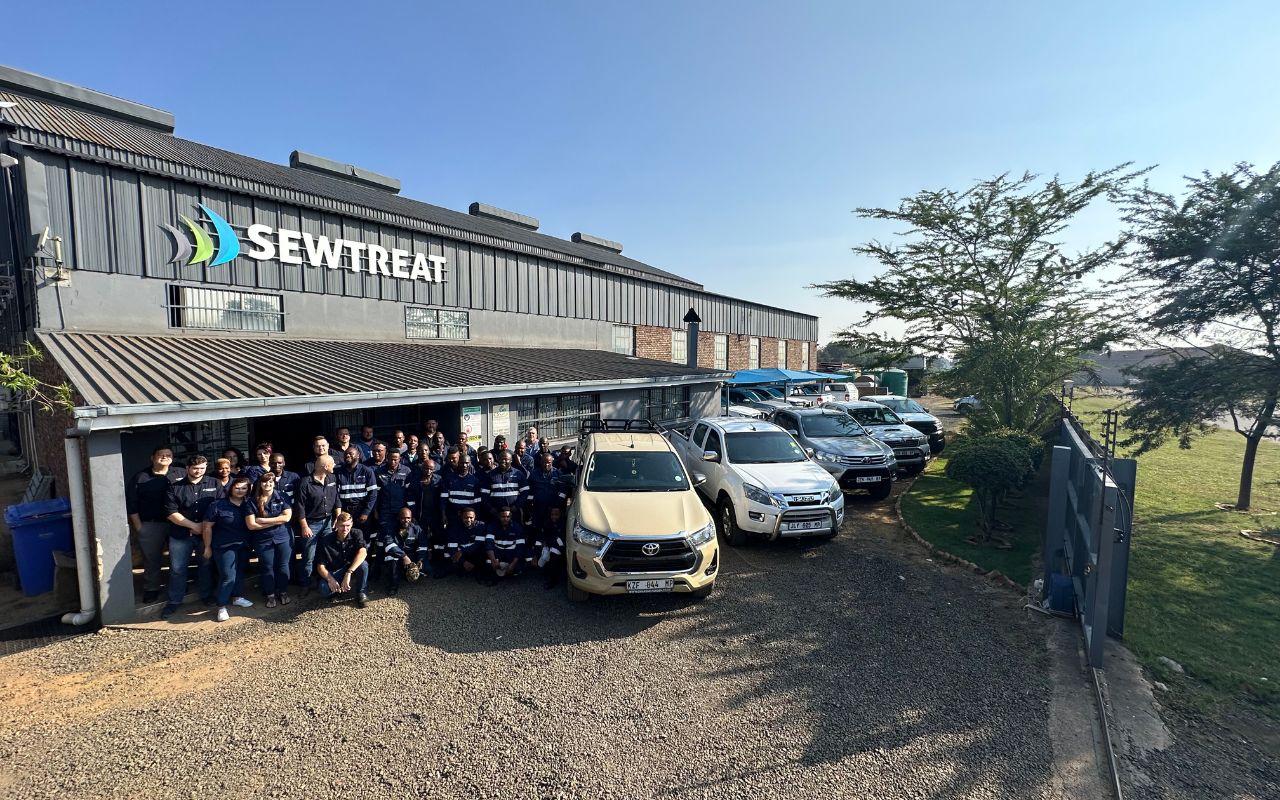 Engineering · manufacture · field supportThe people behind the plant →
Confidence before commitment
A serious proposal connects water chemistry, operating profile, treatment process, delivery scope and lifecycle responsibility before capital is committed.
Water analysis, flow profiling, peak loads, target quality and site interfaces establish the design basis.
How the audit works →Process, mechanical, electrical, controls, civils, commissioning, training and support form one delivery chain.
Review lifecycle delivery →Fourteen documented projects expose capacities, constraints, treatment responses and reuse destinations.
Open the evidence library →Start with the outcome
Choose the result that matters most. The treatment path follows the source, water analysis, daily demand and operating reality.
Treat borehole, rain, river, dam or recovered water into dependable fit-for-purpose supply.
Turn sewage, greywater or process effluent into a productive resource for the site.
Match the treatment train to the actual contaminant load and required discharge destination.
Commercial proof in operation
These figures are attributed to SewTreat's published case studies. The value case is made prominent while its qualifier remains visible wherever the claim appears.
*Published SewTreat company-profile figures, March 2024.
Start with the water
Every useful design begins with the source, the daily flow, what is in the water and where it needs to go.
Sewage to reusable resource
Industry-specific treatment
Source to dependable supply
The Water Treat journey
Select a treatment stage to understand what enters, what happens, what is removed or transformed, and what the stage protects downstream.
Selected stream · sanitation
Sewage moves through screening, anaerobic and aerobic treatment, clarification with a real Return Activated Sludge loop, disinfection and a verified destination.
Influent state
Manual or automated screening removes debris at the plant entrance and protects the stages that follow.
Gross solids and non-biodegradable debris are intercepted before biological treatment.
Settled state
Solids separate by specific gravity while anaerobic bacteria begin breaking down the sewage without added oxygen.
Two anaerobic phases support digestion, middle-cut transfer and denitrification from nitrate to nitrogen gas.
Biologically active state
Fine-bubble aeration supplies oxygen so aerobic bacteria can continue treating the water.
Fixed-bed cross-flow media supports colonisation, oxygen transfer, hydraulic retention, BOD reduction and nitrification.
Clarified state
Biological solids settle into a sludge blanket. Activated sludge returns to the first anaerobic stage to seed the incoming flow.
The Return Activated Sludge loop recirculates mature biomass and supports denitrification; final design remains site-specific.
Treated state
The final stage reduces harmful microorganisms before the verified reuse or discharge route.
The source site identifies ozone as the primary method, with UV or chlorination selected where requirements call for them.
Outcome state
Treated water follows the destination confirmed by the design and water-quality requirements.
Potential non-potable destinations include irrigation and dust suppression; all claims require project-specific verification.
One partner · three connected systems
Sewage to reusable resource
Biological treatment systems that move sewage through screening, anaerobic and aerobic treatment, clarification, recirculation and disinfection.
↗Industry-specific treatment
Process trains shaped around the actual wastewater profile—from fats, oils and high organic loads to detergents and suspended solids.
↗Source to dependable supply
Treatment, storage and distribution designed around borehole, rain, river, dam, municipal backup or recovered water.
↗Lifecycle capability
Water Treat's role extends beyond equipment supply. The delivery path connects analysis, engineering, manufacturing, installation, commissioning and long-term performance support.
Evidence in operation
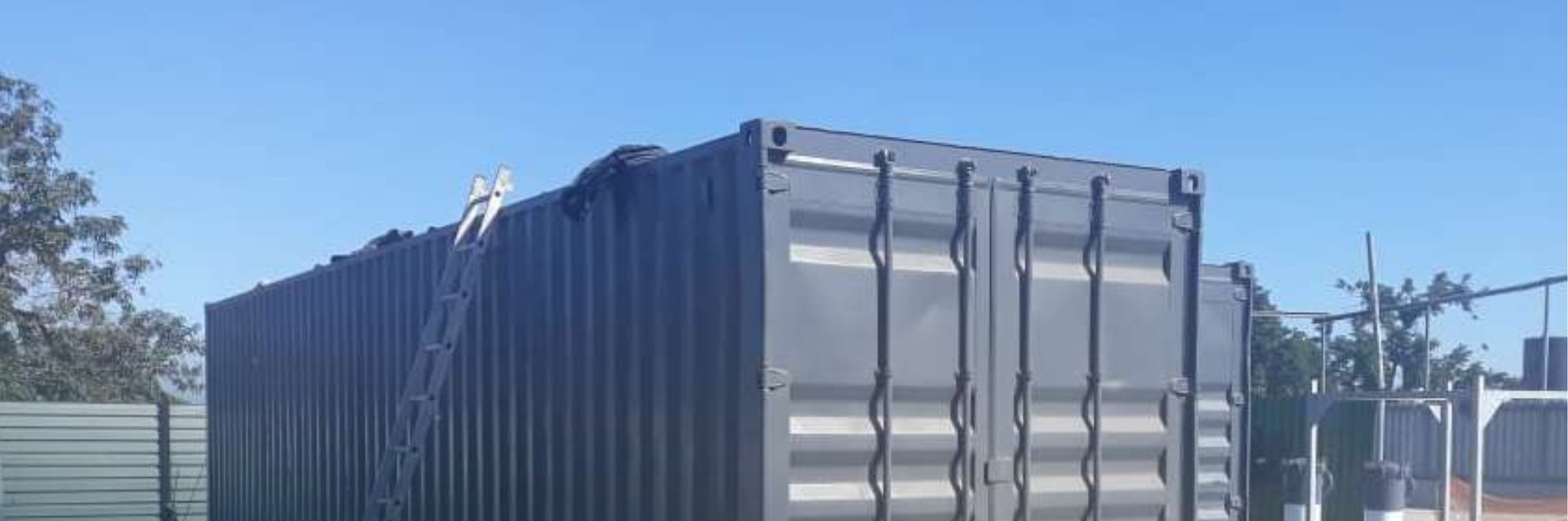 Food and beverage
Toilet flushing, non-potable washing and irrigation
Published SewTreat project recordView project →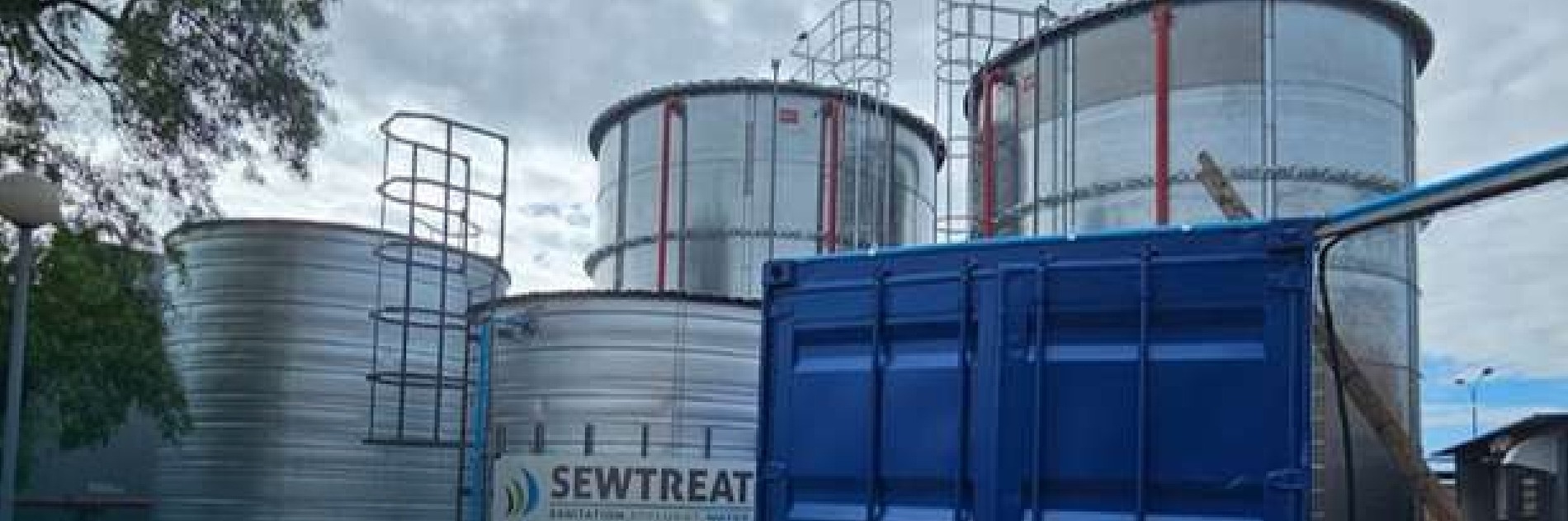 Shopping centre
Potable water
SewTreat-published case-study claimView project →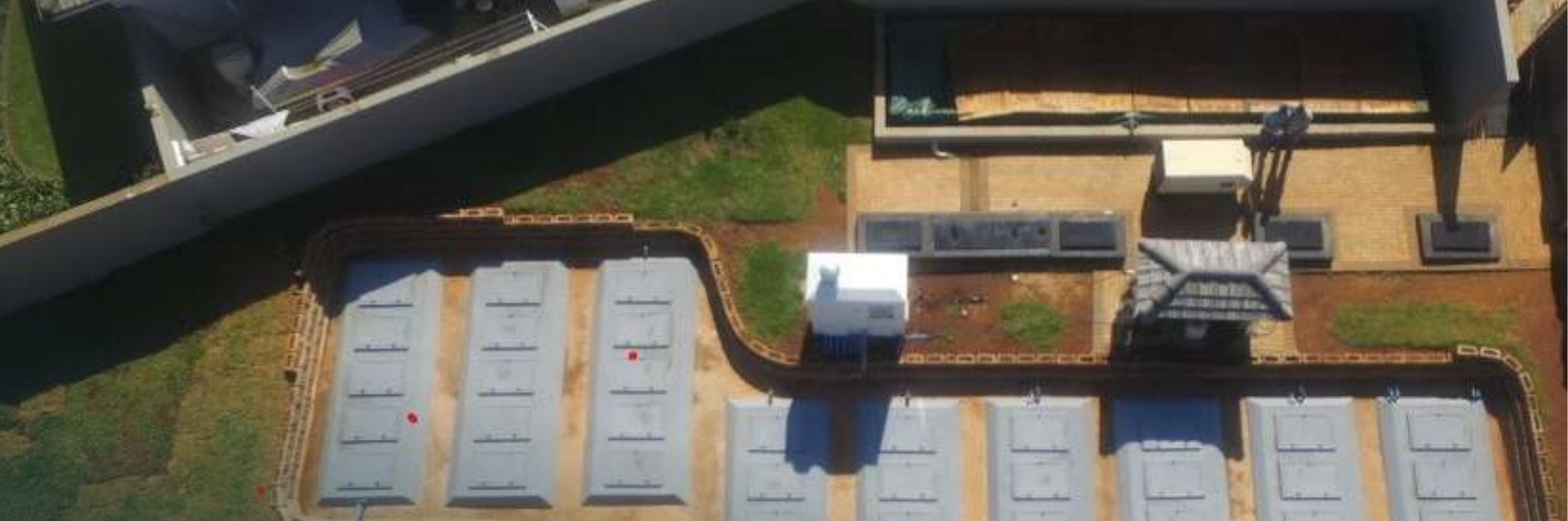 Residential development
Irrigation and water features
SewTreat-published case-study claimView project →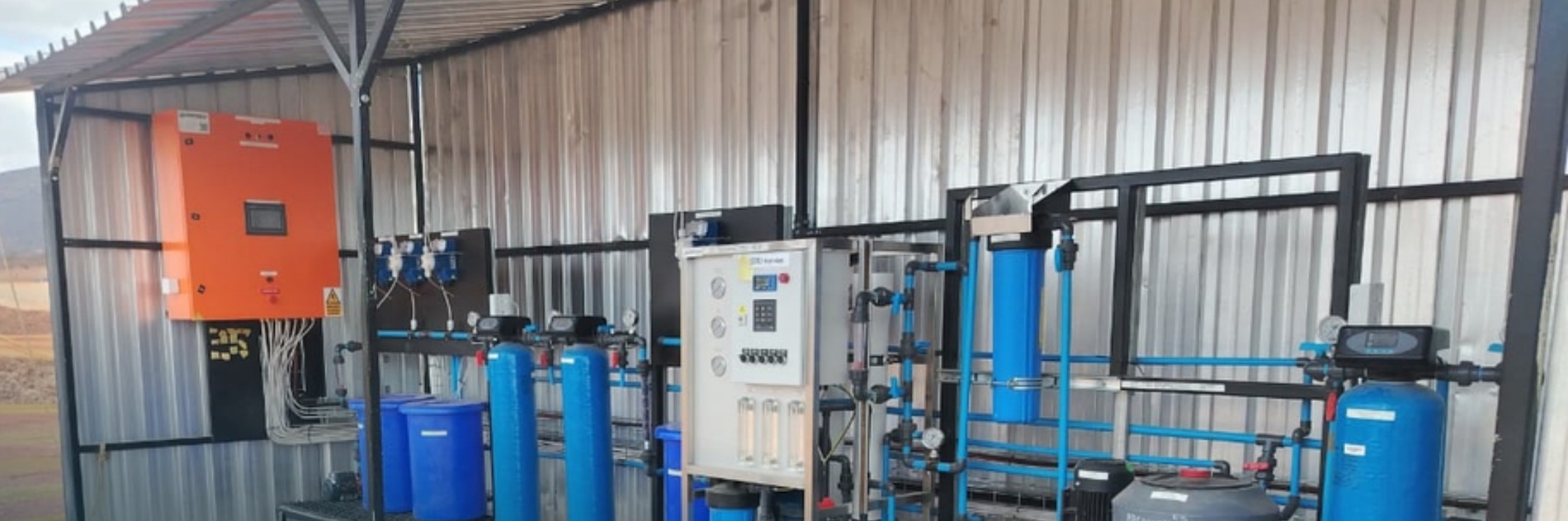 Mining
Potable water
Published SewTreat project recordView project →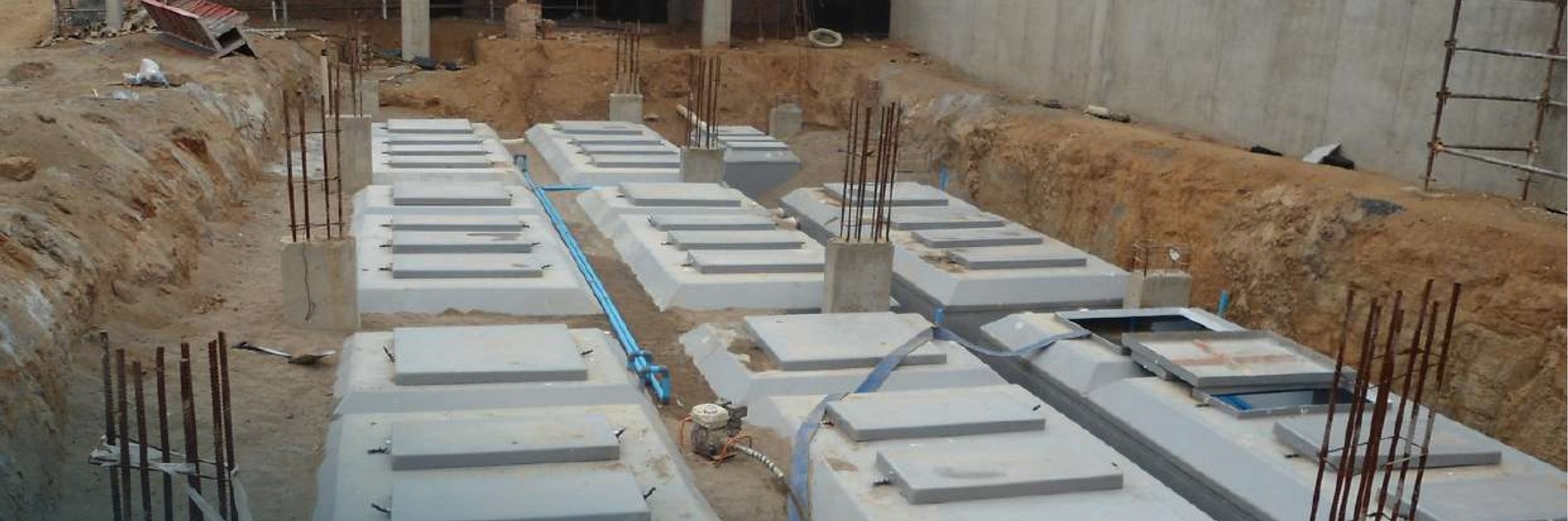 Shopping centre
Environmental discharge
Published SewTreat project recordView project →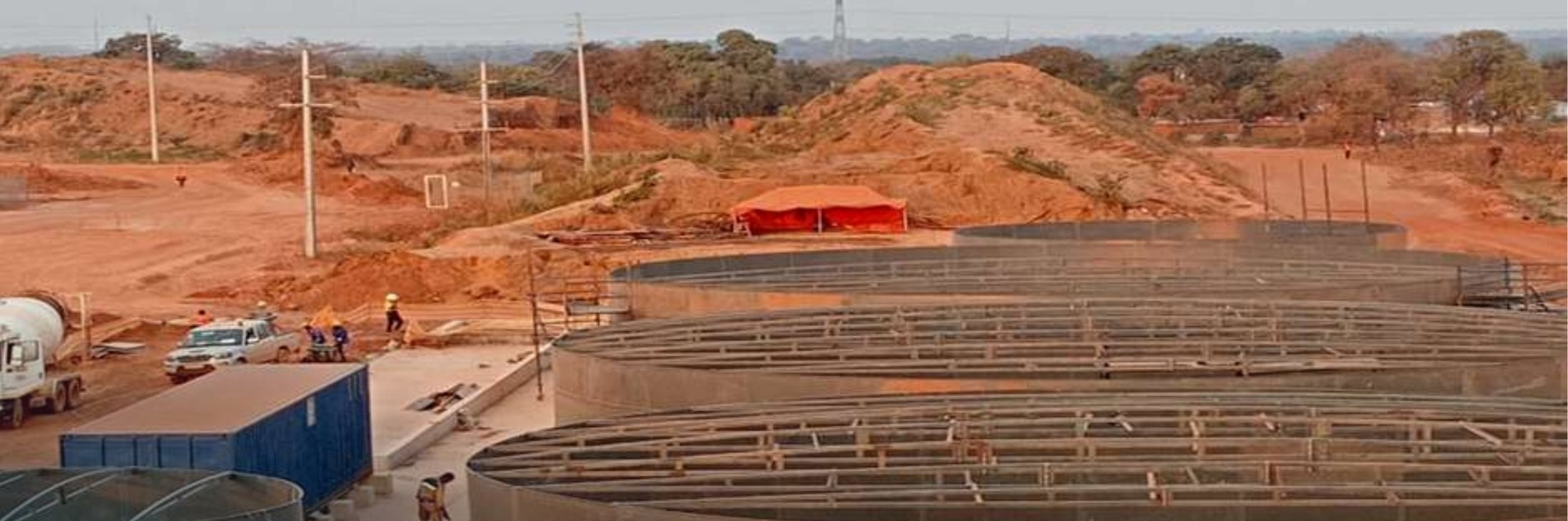 Mining
Irrigation, toilet flushing and dust suppression
Published SewTreat project recordView project →Engineered here · delivered across Africa
The published company profile references project reach in 15 African countries, in-house engineering, manufacturing and dedicated maintenance capability.

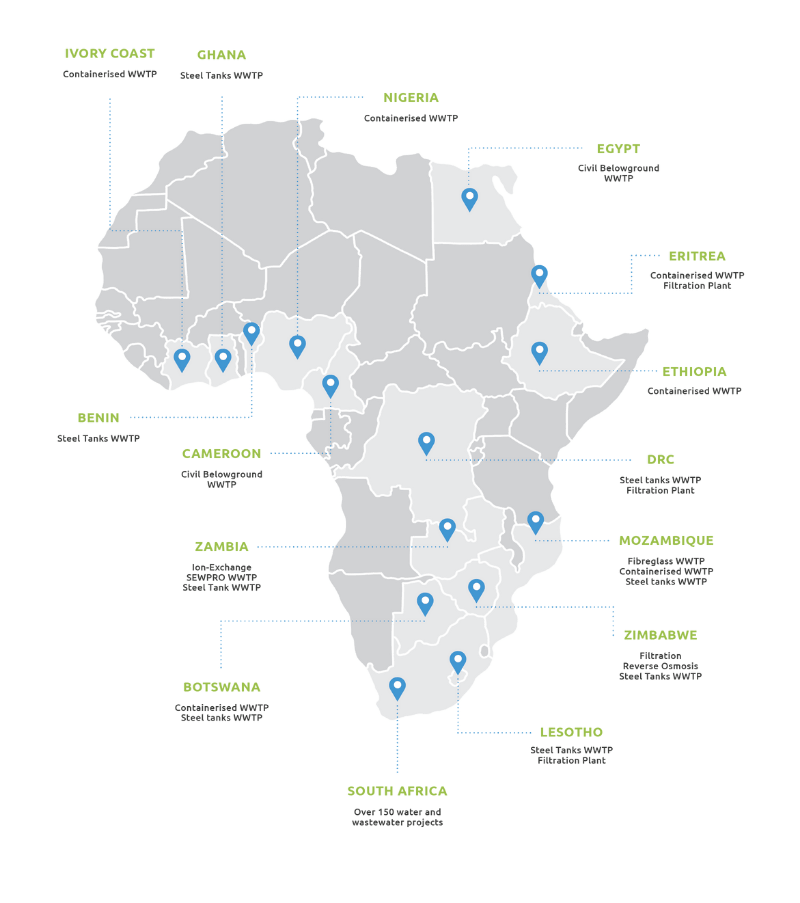 Published African project footprint
Use your sector, source, daily flow, desired outcome and project constraints to narrow the systems worth discussing.
Start the System Finder →Model municipal water displaced and indicative Rand savings before sharing any personal information.
Open the Calculator →Engineer-led next step
Share the source, flow and outcome you need. Water Treat can use that context to prepare a useful first technical conversation.