
Mining · DRC

Kamoa Copper Mine

Three steel-tank treatment plants with a combined referenced design capacity of 1,500 KLPD.

Published project proof point1,500 KLPD

combined referenced capacity

Published SewTreat project record
LocationKolwezi, Democratic Republic of Congo
Capacity300, 350 and 850 KLPD steel-tank plants
ApplicationMining
Treated-water destinationIrrigation, toilet flushing and dust suppression

Visual project record

See the treatment context, not only the claims.

Named-project photographs are identified as project images. Supporting photographs are labelled as representative SewTreat system references.

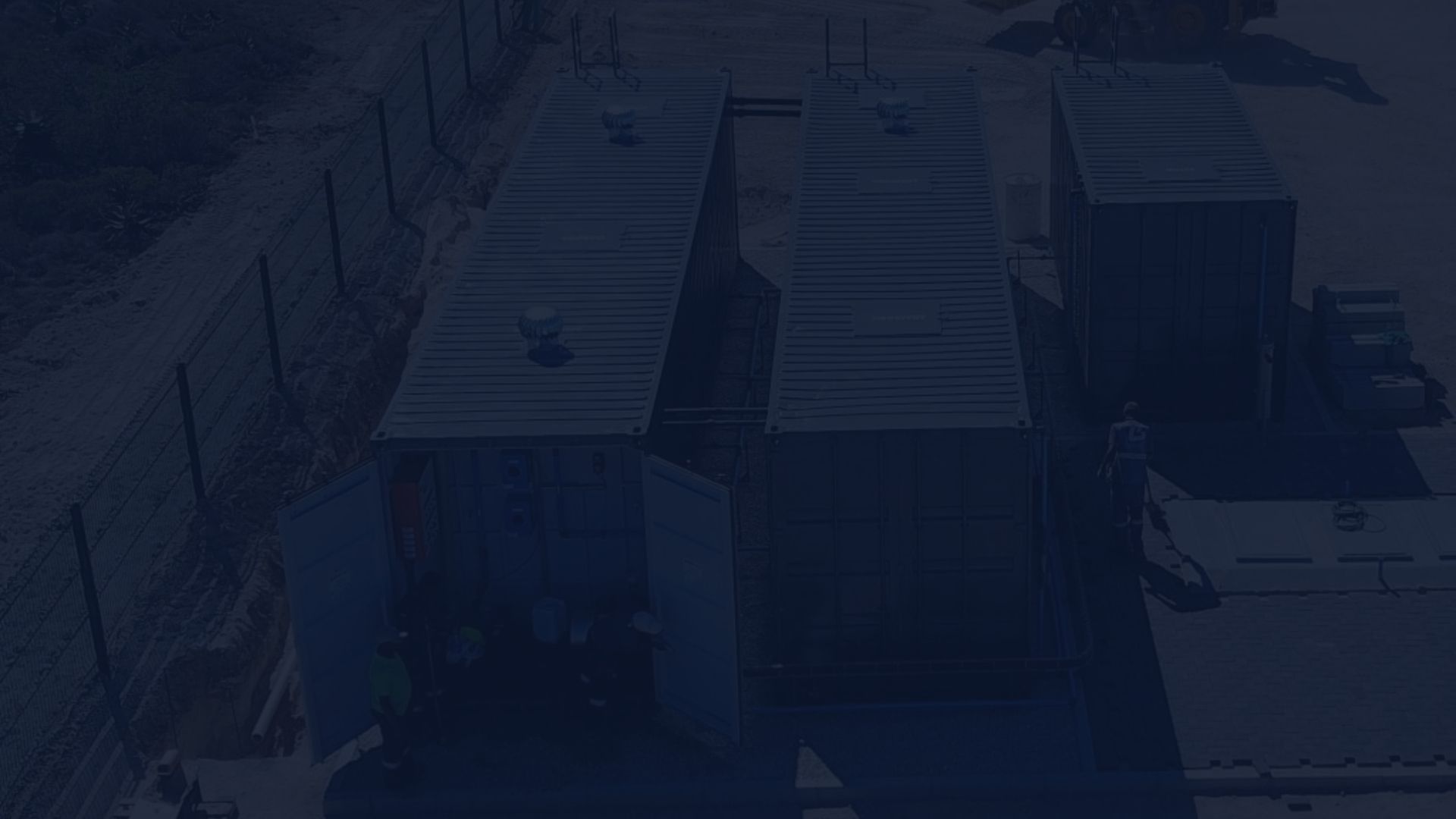
Modular steel-tank treatmentSystem reference

Modular steel-tank treatment

Representative SewTreat steel-tank biological treatment architecture.

Containerised plant architectureSystem reference

Containerised plant architecture

Representative packaged treatment, controls and mechanical integration.

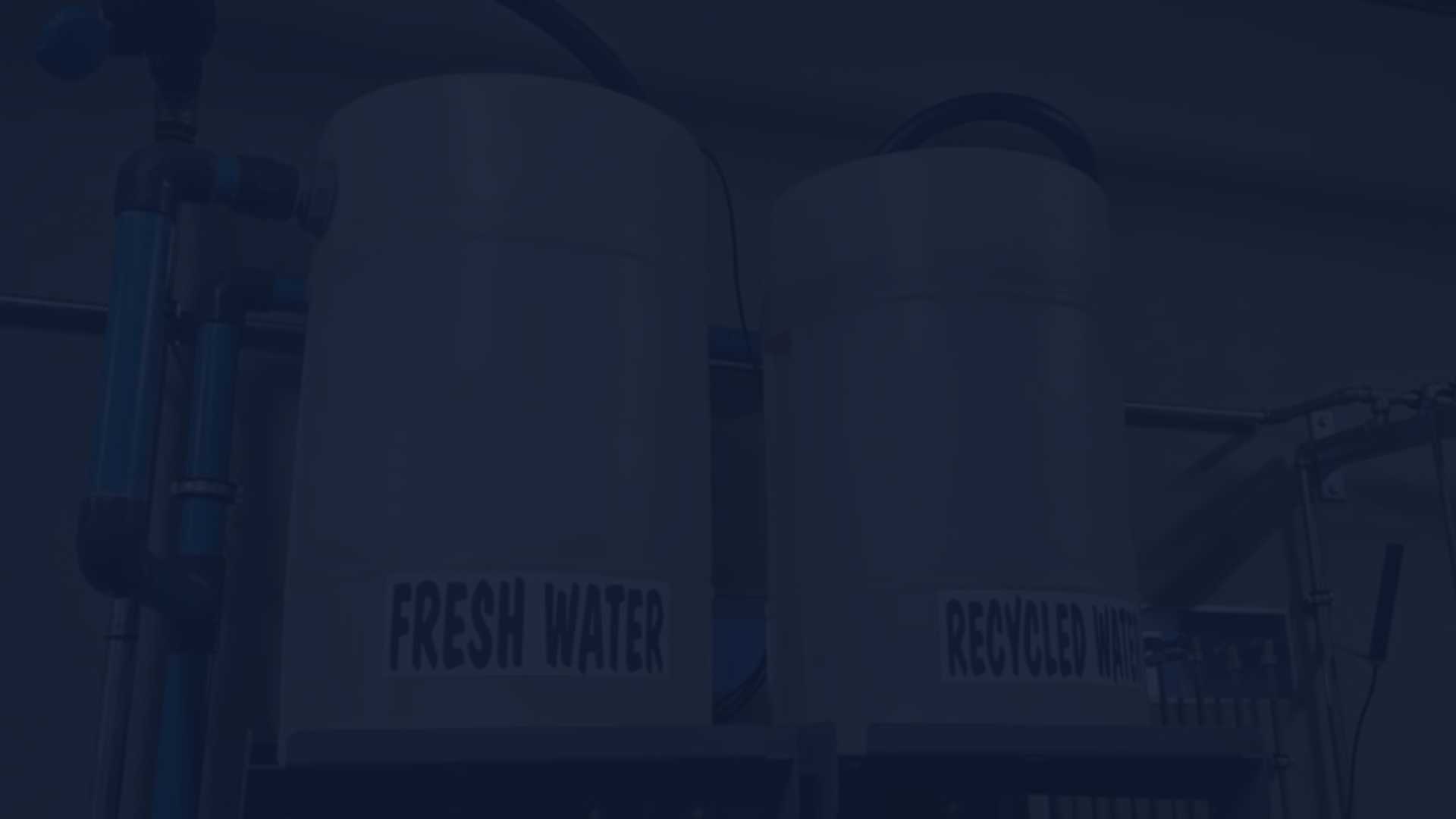
Maintainable operating assetLifecycle reference

Maintainable operating asset

Representative access, service and lifecycle-support context.

Executive project brief

The challenge

Copper-mine wastewater contained elevated solids, hydrocarbons and fine copper particulates, with peak loads during shift changes and limited municipal disposal options.

Hydraulic duty300, 350 and 850 KLPD steel-tank plants
Water streamSanitation
Operating contextMining
Required destinationIrrigation, toilet flushing and dust suppression

Solution architecture

The following elements are documented in SewTreat’s published project record.

  1. Three steel-tank treatment plants
  2. IFAS biological process combining MBBR and RAS
  3. Configuration for variable contamination and peak flows
  4. Design, supply, installation and commissioning scope

Engineering assurance

Characterise

Validate the water profile, duty and variability.

Integrate

Define civils, power, controls, storage and existing interfaces.

Operate

Plan access, skills, residuals, consumables and maintenance.

Verify

Agree commissioning, sampling and acceptance evidence.

Published outcome

Three steel-tank treatment plants with a combined referenced design capacity of 1,500 KLPD.

What the project demonstrates

  • Regulatory compliance
  • Large-scale water management
  • Reduced sludge and waste production
  • Operational resilience

Before procurement

  1. Representative water analysis completed
  2. Average, peak and future flows validated
  3. Required standard and destination made explicit
  4. Civils, utilities, storage and distribution interfaces defined
  5. Operating and maintenance model resourced
  6. Commissioning evidence and acceptance criteria agreed

Source: Kamoa Copper Mine Case Study. Financial and performance figures are attributed to SewTreat’s published case-study material.
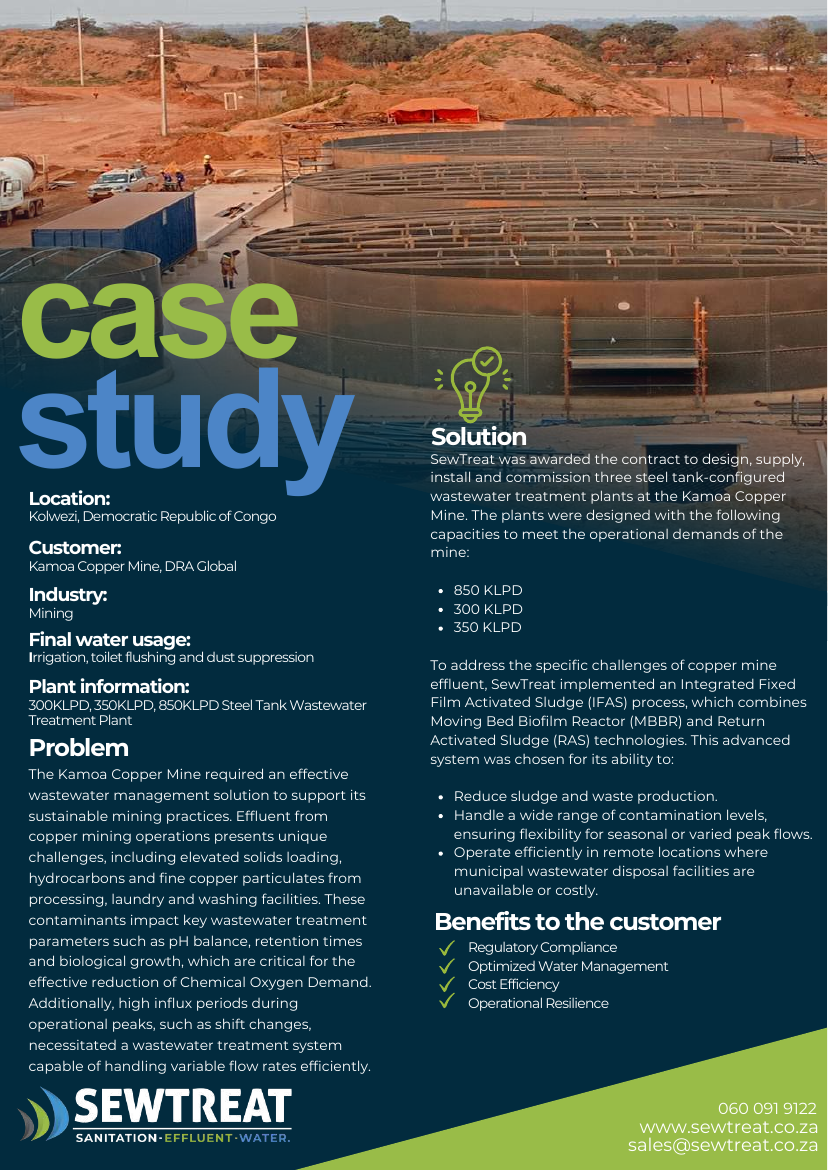
Published project evidence

The original SewTreat case-study record.

The complete source sheet is shown alongside the web case study so the project photography, published figures and treatment narrative remain inspectable.

Open the case-study PDFSource: Kamoa Copper Mine Case Study
Kamoa Copper Mine published case-study sheet 1
Published case-study sheet 1 of 1

Engineer-led next step

Discuss a similar water or wastewater project.

Share the source, flow and outcome you need. Water Treat can use that context to prepare a useful first technical conversation.

Request a Water Audit No-obligation technical enquiry