Executive project brief
The challenge
Class 3 borehole water with high TDS and conductivity, plus potential nitrates and metals, was unsuitable for drinking without treatment.
Hydraulic duty5 KLPD potable water treatment plant
Water streamWater
Operating contextMining
Required destinationPotable water
Solution architecture
The following elements are documented in SewTreat’s published project record.
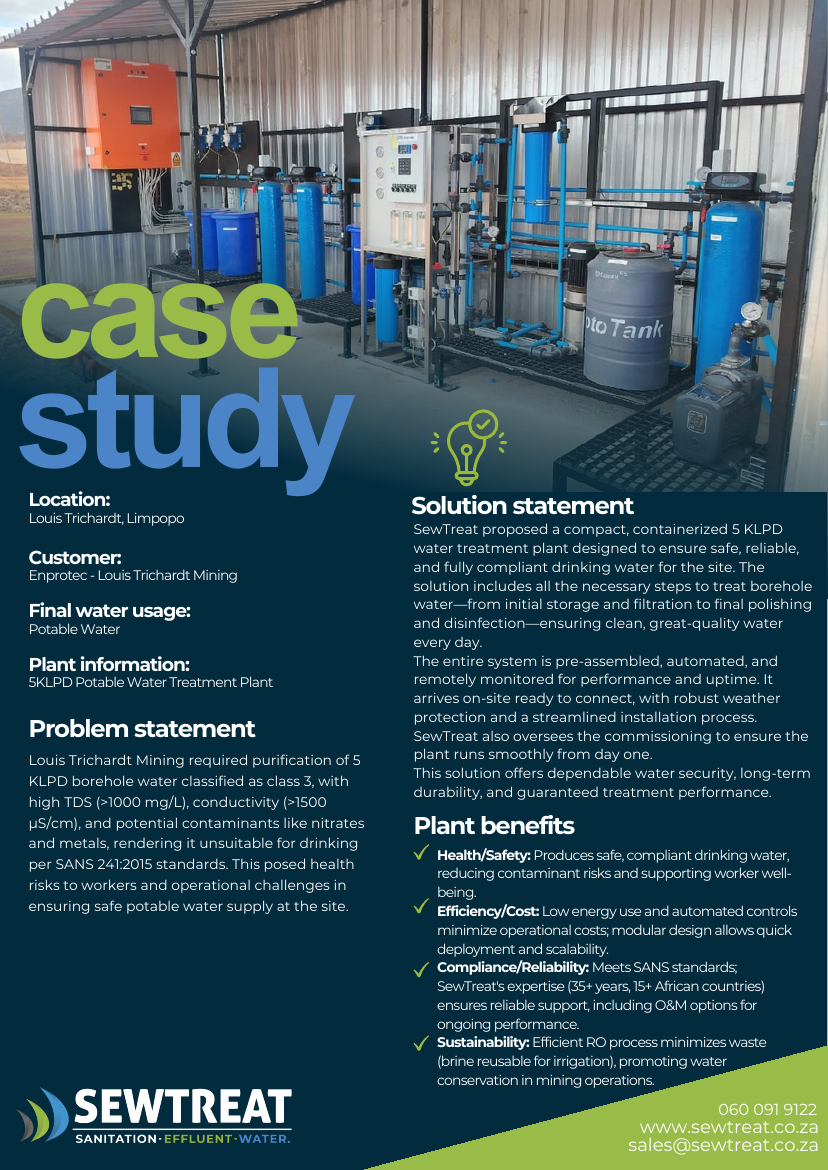
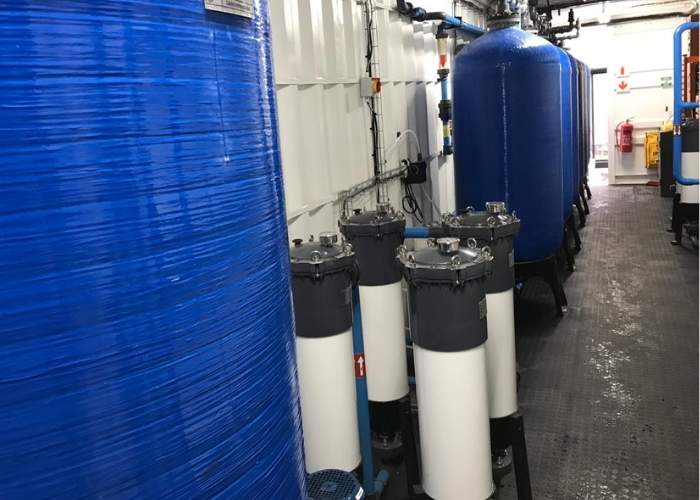
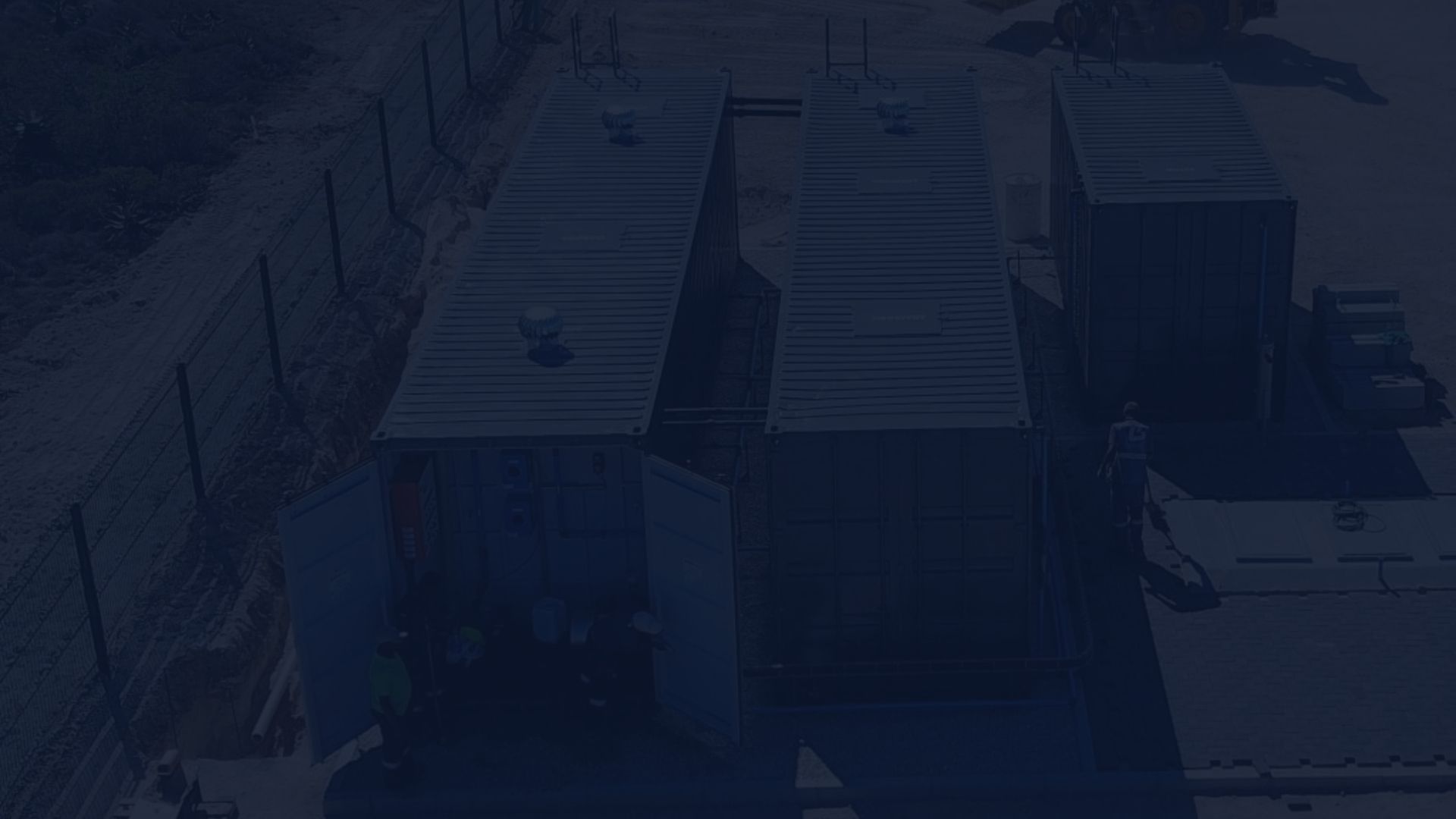
- Pre-assembled containerised treatment plant
- Raw-water storage, filtration, polishing and disinfection
- Automated operation and remote monitoring
- Weather-protected, ready-to-connect deployment
- Commissioning and O&M support
Engineering assurance
Characterise
Validate the water profile, duty and variability.
Integrate
Define civils, power, controls, storage and existing interfaces.
Operate
Plan access, skills, residuals, consumables and maintenance.
Verify
Agree commissioning, sampling and acceptance evidence.
Published outcome
Compact automated borehole treatment with remote performance monitoring.
What the project demonstrates
- Worker water security
- Modular deployment
- Automated control
- Ongoing support options
Before procurement
- Representative water analysis completed
- Average, peak and future flows validated
- Required standard and destination made explicit
- Civils, utilities, storage and distribution interfaces defined
- Operating and maintenance model resourced
- Commissioning evidence and acceptance criteria agreed
Source: Enprotec Case Study. Financial and performance figures are attributed to SewTreat’s published case-study material.