
Effluent treatment system
Abattoir Wastewater Treatment
A profile-led treatment approach for high organic loading, fats, solids and variable production cycles.
3Input conditions mapped
4Treatment stages shown
3Target outcomes
Site-specificFinal design basis
01 / Define the water
Start with what enters the plant.
A profile-led treatment approach for high organic loading, fats, solids and variable production cycles.
The selected equipment, retention time, dosing, membrane duty and final barrier must follow representative analysis, daily flow, peak loading and the intended end use.
- ✓Blood and organic load
- ✓Fats, oils and grease
- ✓Suspended solids
02 / Treatment architecture
A clear process chain, configured around the duty.
Each stage protects the next. The final train is confirmed through analysis, treatability, hydraulic design and project constraints.
- 01Screening and equalisation
- 02Solids and fat separation
- 03Project-specific biological or chemical treatment
- 04Clarification and polishing
03 / Intended result
Design backwards from the water outcome.
Performance targets are verified against the agreed discharge, reuse or supply requirement.
Reuse where verified
Compliant discharge
Field record
Real equipment. Real operating context.
Representative Water Treat and SewTreat project imagery from the supplied engineering library. Final system configuration remains project-specific.
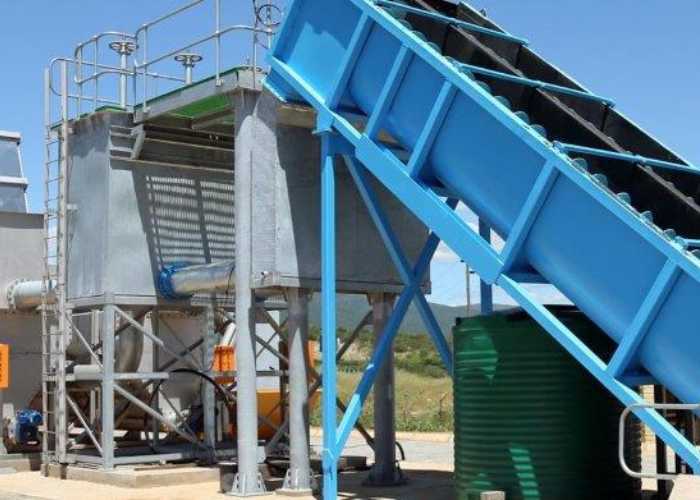
Treatment architecture follows the actual solids, oils and organic loading in the wastewater.
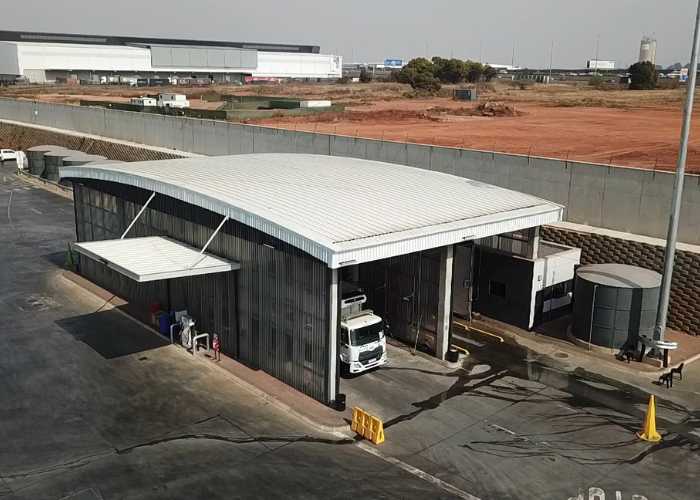
Equalisation, biological stages and polishing are configured around the production cycle.
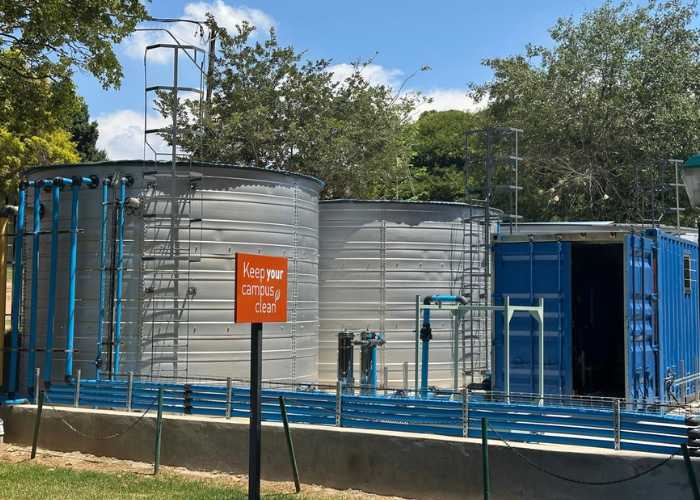
Collection and separation make contaminated wash water available for controlled treatment and reuse.
Where it fits
Configured for the operation—not only the flow rate.
- Abattoirs
- Meat processors
- Food production
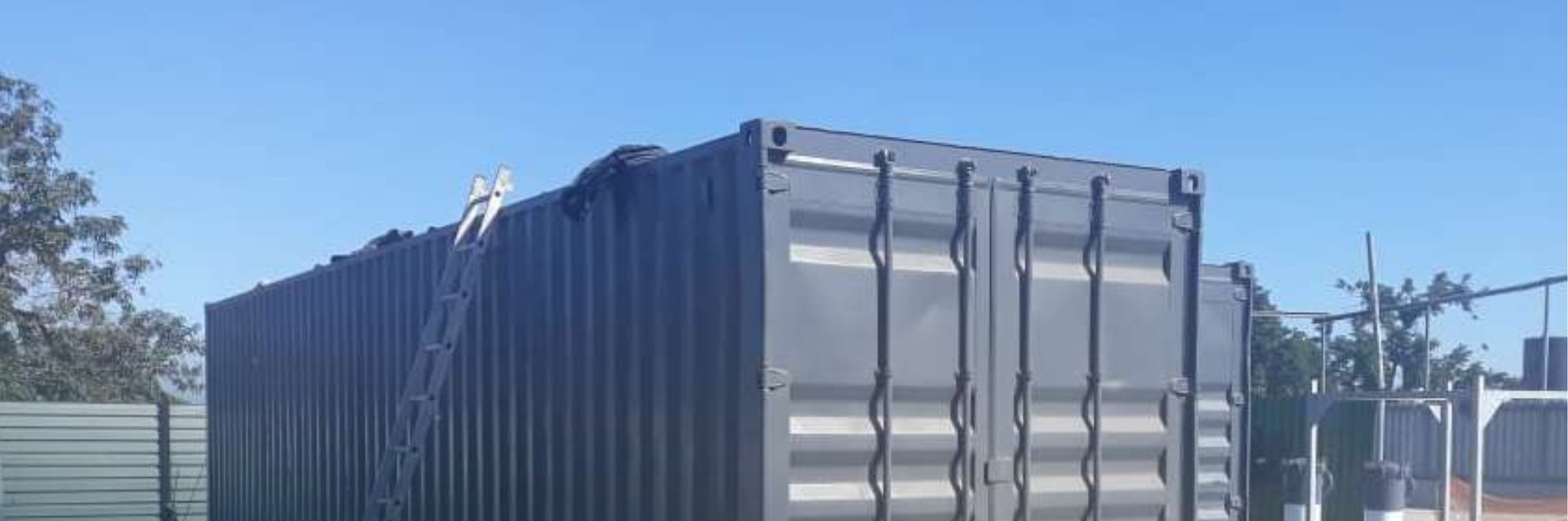
Engineer-led next step
Put your water challenge in front of an engineer.
Share the source, flow and outcome you need. Water Treat can use that context to prepare a useful first technical conversation.
Request a Water Audit No-obligation technical enquiry